


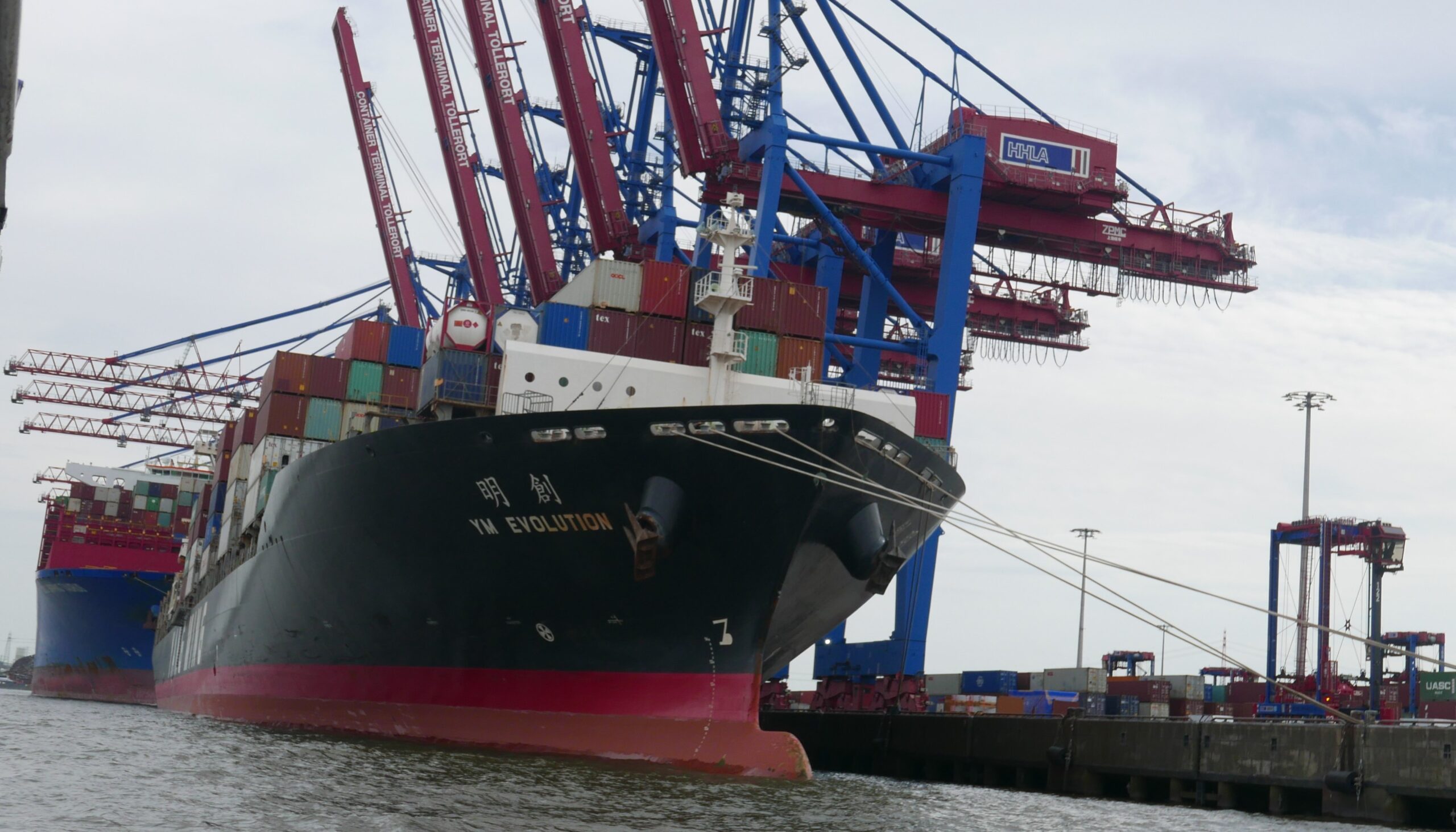
After a significant increase in demand in June and a shortage of shipping space in July, the situation in sea container transport from Asia is starting to ease. PST CLC Mitsui-Soko is seeing a decline in demand, better availability of seats on ships and a gradual reduction in seasonal surcharges. Some shipowners have already announced that they will cancel them completely in September. The development thus confirms the assumption of Petr Rožek, Executive Director of the Association of Freight Forwarding and Logistics of the Czech Republic, that after the main seasonal peak has passed, the growing supply of transport capacity will begin to affect prices.
PST CLC Mitsui-Soko recorded the first significant increase in interest in sea freight from Asia around mid-June. At the beginning of July, there was a lack of space on some lines, which also concerned pre-agreed allocations. At the same time, shipowners have begun to apply surcharges for the main season, the so-called Peak Season Surcharges (PSS).
“At the beginning of July, we began to register problems with a lack of space on ships, even with pre-arranged allocations. Shipowners carefully controlled their use, and if they were not fully used, they reduced the allocated capacity. At the same time, maritime rates were rising and seasonal surcharges were introduced, which gradually exceeded a thousand dollars per container,” says Jan Bláha, Transport Director at PST CLC Mitsui-Soko. According to him, this situation persisted almost throughout July and began to change only at the turn of July and August.

Jan Bláha
In August, demand is already declining and space is more affordable
PST CLC Mitsui-Soko is now registering a gradual cooling of demand. The change is also reflected in the pricing policy of shipowners. “We are currently seeing a decline in demand and at the same time the situation with space on ships is easing. Some weeks are still filling up. At the same time, we are recording a gradual reduction in seasonal surcharges for August, and some shipowners have already announced that they will completely abolish them from September. It is therefore evident that they also perceive the decline in demand and are trying to support the market with a lower price,” adds Jan Bláha.
The pre-Christmas peak was intensified by uncertainty
According to Petr Rožek, this year’s price rise has combined normal seasonal demand with geopolitical uncertainty, higher fuel costs and Asian shippers’ concerns about whether goods intended for autumn and Christmas sales will reach Europe on time.
“There was a strong pressure caused by the fear that the autumn and Christmas collections might not reach the European markets in time. Therefore, shippers began to book space more in advance. In addition, shipowners can influence the available capacity by cancelling some voyages, changing departures or moving shipments between multiple ships,” says Petr Rožek.

Petr Rožek
At the same time, other large container ships are coming to the market. As soon as the pre-Christmas stocking weakens, the supply of transport space may therefore exceed the current demand. According to the experience of PST CLC Mitsui-Soko, the first signs of this development are already visible during August.
“After the end of the summer, the excess capacity should be more pronounced, which under normal market conditions creates downward pressure on prices. However, the maritime market is highly concentrated and shippers can manage the supply of space by cancelling sailings and shifting capacity between lines. Therefore, the fall in prices does not have to be automatic or even,” explains Petr Rožek.
Early booking remains important
Although the market is easing, space availability can vary significantly from week to week, port to day, and from line to week. Therefore, companies should not leave ordering transport to the last minute. Early booking allows you to choose from multiple dates and reduces the risk that the shipment will not be loaded onto the planned ship.
In a changing situation, the importance of freight forwarders is growing, as they work with the offers of several shipowners and can compare the price, transport time and reliability of individual variants for the customer.
“If a customer turns directly to a single shipowner, they are dependent on their network and capabilities. The freight forwarder communicates with several shippers, airlines and railway operators and can choose the solution that he considers best in a given situation. However, they must be able to really manage the individual options and offer the customer a functional unit under their own name,” adds Petr Rožek.
PST CLC Mitsui-Soko provides import and export sea freight of full container loads and piece shipments. It offers its own collection containers from Asia, door-to-door and port-to-port transportation, and first and last mile provision. It can connect sea transport with customs clearance, storage, transshipment and subsequent distribution of goods. According to the customer’s needs, it also examines alternative dates and the possibility of using other transport modes.
Ilustrační foto Petr Neckář
